Introduction
 0
0
 0
0
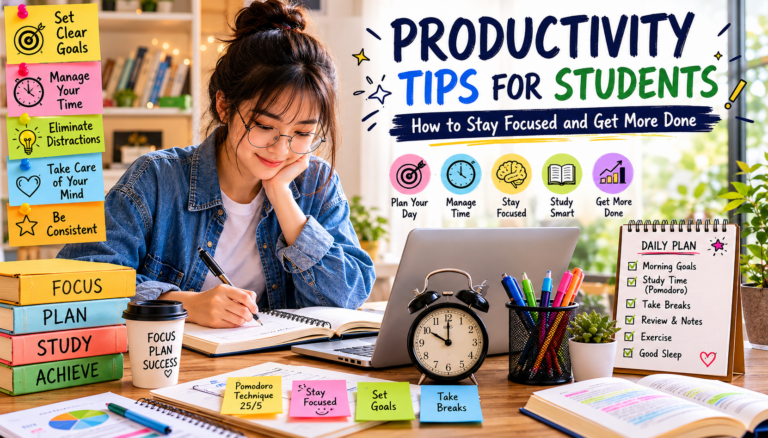
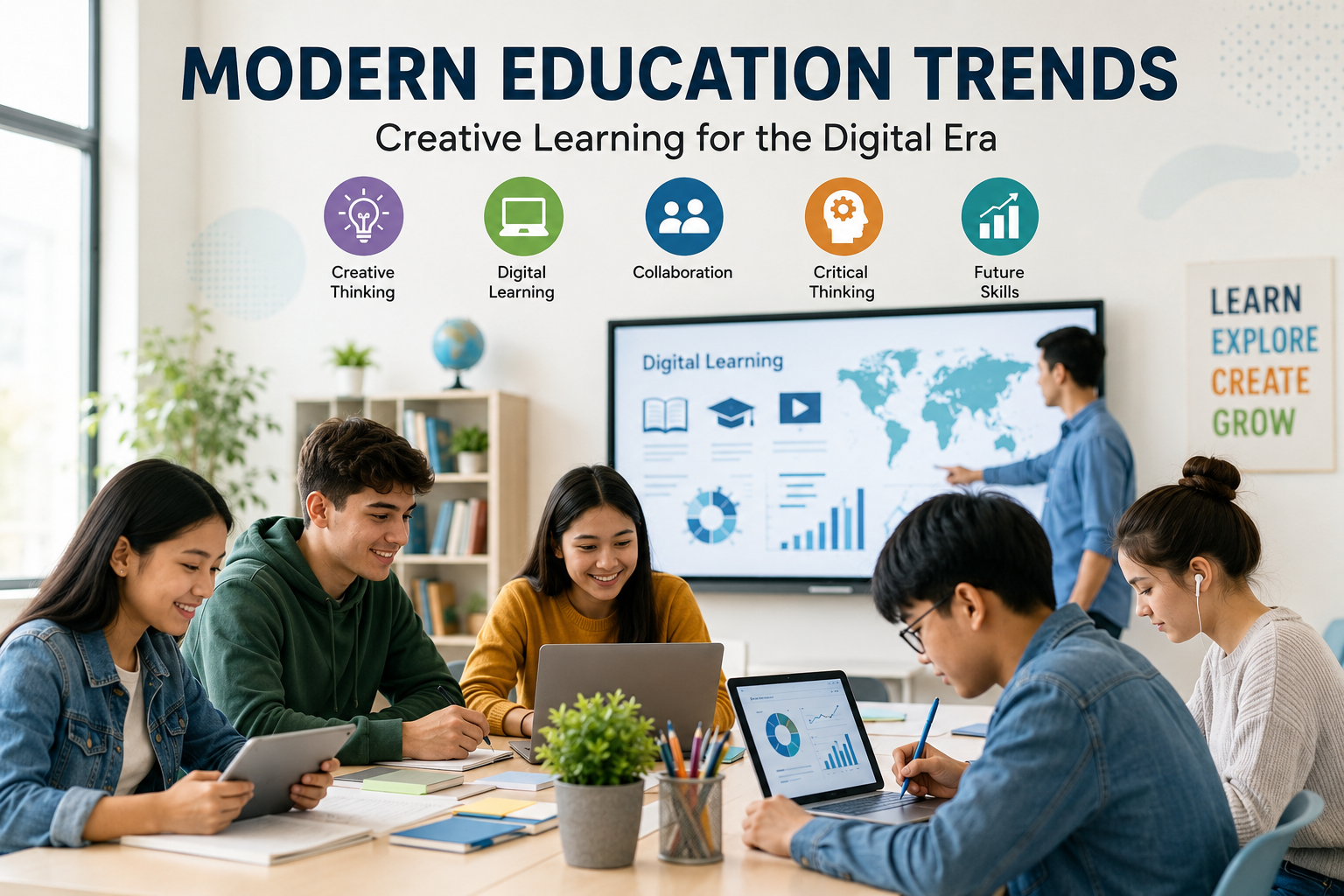
Modern education trends are reshaping how students learn, think, and prepare for the future. Traditional classrooms are no longer the only source of knowledge. Today, students explore ideas through technology, creative thinking, and real-world experiences. As digital tools become more accessible, learning is turning into something more flexible, interactive, and engaging.
Whether you’re a student, educator, or just someone curious about learning, understanding these changes can help you stay ahead in an evolving world.
The Shift from Traditional to Modern Learning
Education has changed significantly over the past decade. Instead of focusing only on memorization, modern systems prioritize understanding, creativity, and problem-solving.
Key Differences:
- Passive learning → Active participation
- Fixed curriculum → Flexible and personalized learning
- Teacher-centered → Student-centered approach
This shift allows learners to take control of their own progress, making education more meaningful and practical.
The Role of Technology in Education
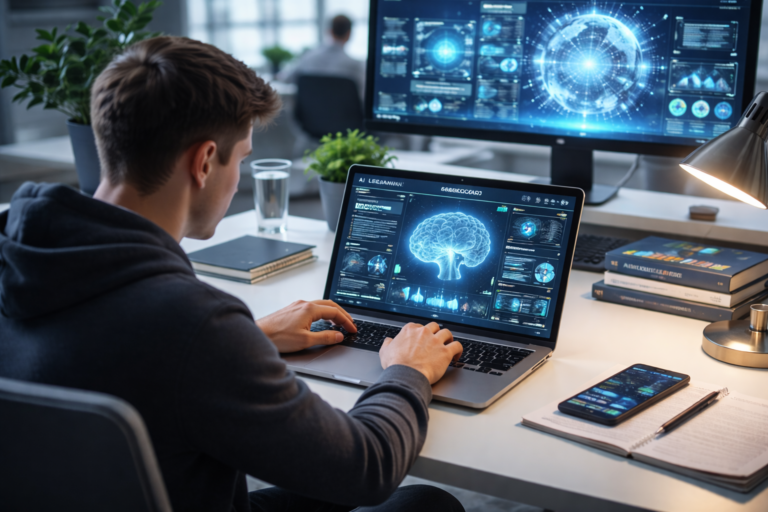
Technology plays a huge role in shaping modern education trends. From online courses to AI-powered tools, learning is no longer limited to physical classrooms.
Popular Digital Learning Tools:
- Learning management systems (LMS)
- Video-based platforms
- Interactive apps and simulations
- AI-powered tutoring systems
Websites like Khan Academy and Coursera have made high-quality education accessible to millions worldwide.
For deeper insights into digital transformation, you can also explore:
Creative Learning: Why It Matters
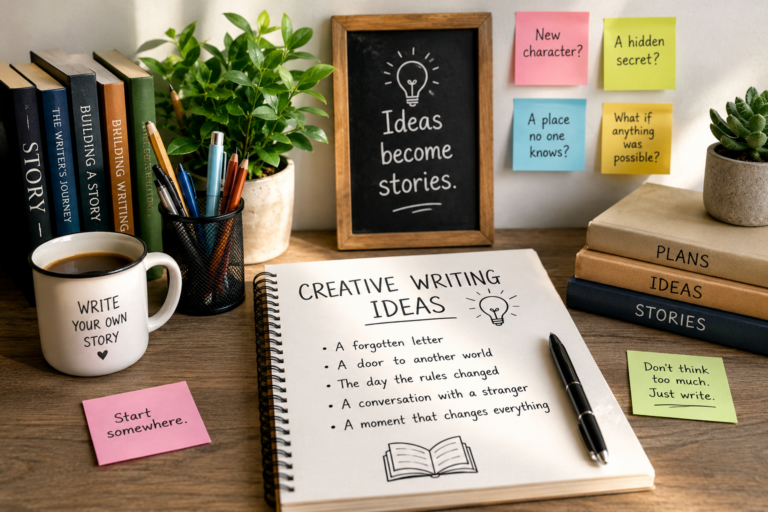
Creative learning is at the heart of modern education. Instead of just absorbing information, students are encouraged to think, create, and experiment.
Benefits of Creative Learning:
- Improves critical thinking
- Encourages innovation
- Builds confidence
- Enhances problem-solving skills
Activities like storytelling, design thinking, and project-based learning help students connect knowledge with real-life applications.
Personalized Learning Experience
One of the biggest advantages of modern education is personalization. Not every student learns the same way, and today’s systems recognize that.
Examples of Personalization:
- Adaptive learning platforms
- Self-paced online courses
- Customized lesson plans
This approach ensures that students learn at their own speed without feeling left behind.
Skills Students Need in the Digital Era
Modern education is not just about academic knowledge. It focuses on preparing students for real-world challenges.
Essential Skills:
- Critical thinking
- Digital literacy
- Communication skills
- Creativity
- Collaboration
These skills are highly valued in today’s job market and are essential for long-term success.
Balancing Technology and Human Interaction
While technology is important, human interaction remains essential. Teachers, mentors, and peer discussions still play a key role in learning.
Finding the Right Balance:
- Use technology as a support tool
- Encourage group discussions
- Maintain face-to-face interactions
The goal is to combine the best of both worlds: digital efficiency and human connection.
Internal Learning Resources
For more insights about education and creativity, you can explore:
These sections provide additional ideas and perspectives on modern learning.
Conclusion
Modern education trends are transforming the way we learn and grow. With the integration of technology, creative thinking, and personalized approaches, education is becoming more dynamic than ever.
The future of learning is not about memorizing facts—it’s about understanding, adapting, and creating. By embracing these changes, students and educators can unlock new opportunities and build a stronger foundation for success.
If you’re interested in learning more, keep exploring new tools, ideas, and strategies—because education never truly stops.